
Category: Decision-making
-

When consumer expectations and business practices diverge: a case study
If you lead or advise in Vietnam, this case study shows how trust collapses when persistence replaces process. Read closely, not to criticise, but to learn how boundaries, refunds, and verification separate professional leadership from transactional pressure
-
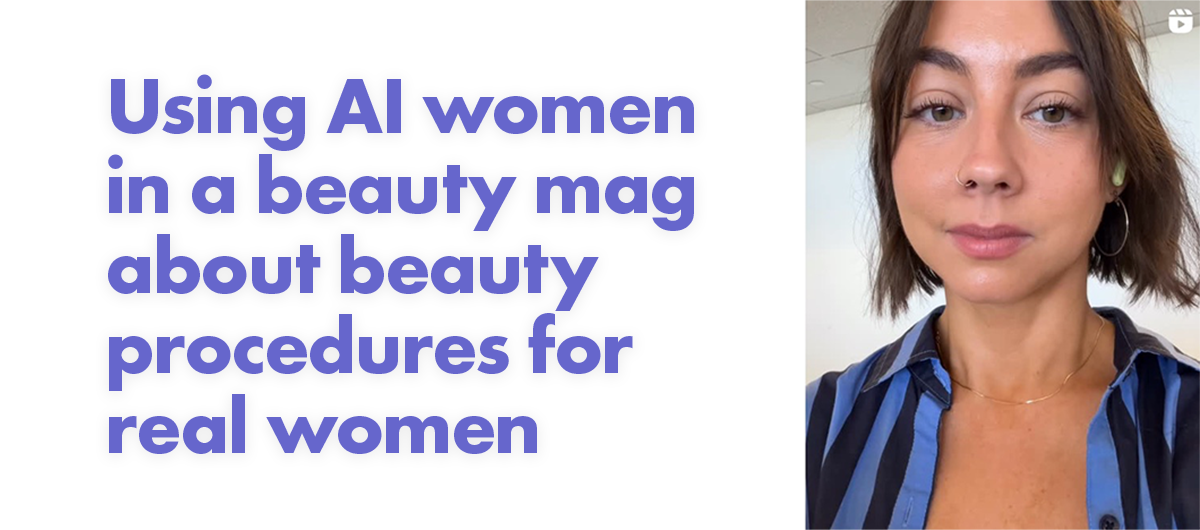
AI in aspirational magazines
A photographer questions the use of AI models in a magazine about women’s beauty procedures. Is this where we are now? Where are the ethical discussions around this?
-
When dark design deceives
This 1,000-word case study explores how Academia.edu’s silent auto-renewal charged $371.80 AUD without warning—highlighting the dangers of dark patterns in tech design. Learn what dark patterns are, how they manipulate users, and what ethical leadership in digital spaces should look like.
-

Academia.edu charged me $371.80 AUD without warning—and refused to refund it
This isn’t a rant. It’s a public warning. On 17 July 2025, I discovered that $371.80 AUD had been withdrawn from my bank account by Academia.edu. I had no idea the subscription was still active. I received no warning. No renewal email. No opt-out reminder. And when I contacted their support team to explain the…
-
The hidden risks of relying on AI-generated content in business communication
There’s no denying it—AI writing tools have revolutionised how quickly we can churn out content. Emails, blogposts, reports, even pitch decks can now be generated in seconds. But while the promise of efficiency is seductive, relying too heavily on AI-generated content carries risks most businesses haven’t fully considered. Yes, AI can mimic tone, follow structure,…
-

WhatsApp: Why I won’t use it
This article critiques WhatsApp’s data practices, highlighting that while messages are end-to-end encrypted, Meta collects extensive metadata. This data can be used for behavioural profiling, targeted advertising, and potential political manipulation. I recommend privacy-focused alternatives like Signal and Telegram to safeguard personal information
-

Building your AI innovation team
Transform your organization with “Building Your AI Innovation Team” by Lee Hopkins. This white paper offers crucial insights into assembling effective AI teams, fostering collaboration, and overcoming implementation challenges. Download today to harness the power of diverse perspectives for successful AI initiatives