Global spotlight on Vietnam fiasco
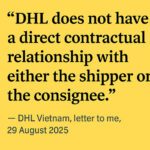
For weeks, DHL Vietnam’s inboxes were a hall of mirrors—auto-bounces, dead addresses, and unanswered messages. Every attempt to get clarity on my shipment ended in silence, deflection, or yet another contradictory excuse.
So yesterday I widened the circle. I sent an open letter directly to DHL’s global leadership team, regulators, and media outlets. Unlike the phantom inboxes of DHL Vietnam, none of these emails bounced. Not one.
That means the message is delivered. DHL can no longer hide behind “we didn’t see it” or shuffle my case back to a dead-end mailbox. The chain of responsibility now extends across their senior leadership, their press offices, and the regulators who oversee them.
Whether they like it or not, the spotlight is on.
This is the accountability stage.
And here’s the blunt truth: reputations are easier to destroy than rebuild. Every hour DHL spends pretending this problem belongs to someone else, the harder it becomes to recover the trust of customers, regulators, and the public.
Silence isn’t strategy. It’s negligence.
Lesson for DHL
Leadership isn’t about controlling the narrative when things go well. It’s about owning the problem when things go wrong. Dead inboxes and evasive replies don’t shield you from accountability — they amplify the perception that you have something to hide.
The longer you delay, the louder the story becomes.